
Marketing Tools
•05 min read


Ecommerce brands face mounting pressure to scale organic visibility while managing rising acquisition costs. Traditional SEO approaches struggle to keep pace with the volume of content needed to compete across thousands of product pages, categories, and search intents. This reality has driven the adoption of programmatic SEO tools that automate content creation, optimize technical elements, and scale organic growth without proportional increases in manual effort.
Modern ecommerce businesses require systems that can process product data, understand search demand, and generate optimized content at scale. The right tools for programmatic SEO ecommerce transform fragmented workflows into streamlined processes that connect discovery directly to revenue. Success depends on choosing platforms that integrate with existing ecommerce infrastructure while maintaining quality and brand consistency.
Programmatic SEO represents a fundamental shift from manual content creation to data-driven automation. Unlike traditional SEO that relies on individual page optimization, programmatic approaches use templates, data feeds, and automation to generate hundreds or thousands of pages systematically. For ecommerce businesses, this means creating product pages, category collections, and content experiences that scale with inventory and search demand.
The foundation rests on three critical elements: data structure, template systems, and automation workflows. Product catalogs become the fuel for content generation, while search intelligence identifies opportunities across different intent types. Modern ecommerce seo tools integrate these components to produce pages that rank well and convert visitors into customers.
Effective programmatic SEO starts with structured product data that feeds automated content creation. This includes product attributes, pricing information, inventory levels, and customer behavior signals that inform content decisions.
Reusable templates ensure consistency while allowing customization based on product categories, search intent, and user segments. Templates maintain brand voice while adapting to different content types and commercial objectives.
The landscape of seo automation tools spans multiple categories, each addressing specific aspects of programmatic content creation and optimization. Understanding these categories helps ecommerce teams build comprehensive toolstacks that cover content generation, technical optimization, and performance measurement. The most effective implementations combine specialized tools rather than relying on single-platform solutions.
Modern seo platforms integrate with ecommerce systems to automate workflows that previously required significant manual effort. These integrations enable real-time content updates based on inventory changes, seasonal trends, and competitive intelligence.
These tools create product descriptions, category pages, and blog content using product data and search intelligence. Advanced platforms incorporate brand guidelines and conversion optimization into automated content creation.
Technical tools handle schema markup, internal linking, and site structure optimization across large product catalogs. They ensure programmatically generated pages meet search engine requirements and load efficiently.
Analytics platforms track the impact of programmatic content on organic traffic, rankings, and revenue. They provide insights needed to optimize templates and identify high-performing content patterns.
Successful data-driven seo leverages multiple data sources to inform content creation and optimization decisions. Product catalogs provide the foundation, but effective strategies also incorporate search volume data, competitor analysis, and customer behavior insights. This comprehensive approach ensures programmatic content aligns with actual search demand and commercial intent.
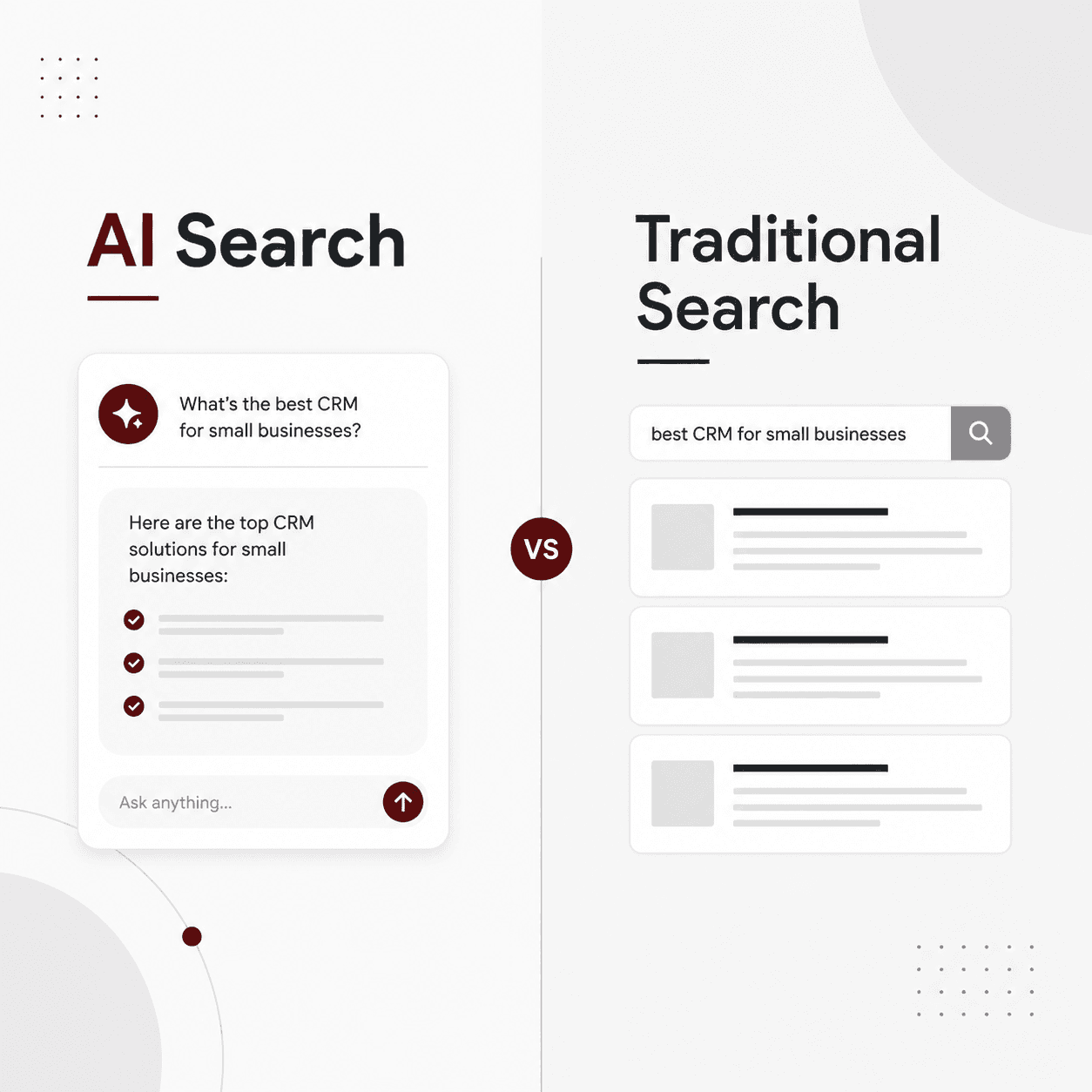
The most impactful strategies focus on connecting search intent to specific products and categories. This requires understanding how customers search for products, what information influences purchase decisions, and how to structure content for both search engines and AI-driven discovery systems. Modern seo for online stores must account for AI Overviews and LLM-powered search experiences that change how content gets discovered and cited.
Mapping customer search patterns to product categories enables targeted content creation that addresses specific purchase intents and information needs.
Automated competitive analysis identifies content gaps and opportunities where programmatic content can capture market share from competitors.
The convergence of marketing automation and SEO creates opportunities for ecommerce brands to scale growth across multiple channels simultaneously. Integration between SEO tools and marketing platforms enables coordinated campaigns that amplify organic visibility through email, social media, and paid channels. This approach maximizes the impact of programmatic content by ensuring it reaches audiences through multiple touchpoints.
Effective ecommerce growth tools connect SEO performance data with customer lifecycle stages, enabling personalized content experiences that drive both discovery and conversion. These integrations help brands understand which programmatic content drives the highest lifetime value customers and optimize accordingly.
Automated systems distribute programmatic content across email campaigns, social media, and paid advertising to amplify organic reach and drive traffic back to optimized landing pages.
Integration with CRM and email platforms enables personalized content recommendations based on search behavior and purchase history, creating more relevant discovery experiences.

Sangria functions as an AI-powered Growth OS that addresses the core challenges of scaling programmatic SEO for ecommerce brands. Unlike generic content tools, Sangria integrates search intelligence, product data, and competitive insights to generate content that drives both organic visibility and revenue. The platform creates indexable, fast-loading pages optimized for traditional search engines and AI-driven discovery systems, while maintaining human-in-the-loop controls for brand consistency and accuracy. Sangria's native integration with Shopify and existing ecommerce stacks enables seamless deployment of programmatic content without requiring extensive engineering resources.
Ecommerce programmatic SEO focuses on product-centric content that drives commercial intent and conversions. Unlike informational content, ecommerce pages must balance search optimization with product discovery and purchase facilitation. The content needs to showcase products effectively while ranking for relevant search terms and appearing in AI-generated answers.
ROI measurement should track organic traffic growth, keyword ranking improvements, and most importantly, revenue attribution from programmatic content. Monitor metrics like organic conversion rates, average order value from SEO traffic, and customer acquisition cost compared to paid channels. Most ecommerce businesses see initial results within 3-6 months, with compound growth over 12-18 months.
Modern seo software designed for ecommerce includes features for product schema markup, inventory-based content updates, and integration with ecommerce platforms. However, technical requirements vary significantly between businesses, so evaluate tools based on your specific platform, catalog size, and technical constraints.
The primary risks include generating low-quality or duplicate content, losing brand voice consistency, and creating pages that don't align with user intent. Mitigate these risks by implementing quality controls, maintaining human oversight, and regularly auditing automated content for relevance and accuracy.
Advanced programmatic SEO platforms optimize content for AI Overviews and LLM-powered search by structuring information for easy citation and creating comprehensive, authoritative content. This includes proper schema markup, clear information hierarchy, and content that directly answers common questions about products and categories.
The choice depends on your team size, technical capabilities, and specific needs. All-in-one platforms offer better integration and workflow efficiency, while specialized tools may provide deeper functionality in specific areas. Most successful ecommerce brands use a core platform supplemented by specialized tools for specific functions like analytics or technical SEO.
Programmatic SEO tools have become essential infrastructure for ecommerce brands seeking to scale organic growth efficiently. The most effective approaches combine content automation with data-driven insights to create pages that rank well and drive conversions. Success requires choosing tools that integrate with existing ecommerce systems while maintaining quality and brand consistency. As search behavior continues evolving toward AI-driven discovery, programmatic SEO tools that optimize for both traditional search engines and AI systems will provide the greatest competitive advantage for online retailers.